How Strong Winds, Hail, and Heavy Branches Can Harm Your Roof
Your roof is built to take a beating from the weather, but some storms push it past its limits. Hail, high winds, and falling branches each attack the roof in a different way. Understanding how each one causes damage helps you spot trouble early and decide what needs fixing first.
Hail impact: more than just dents
Hailstones form inside thunderstorms when updrafts carry raindrops into freezing air. The longer they stay aloft, the bigger they get. By the time they fall, they can reach the size of golf balls or even softballs, and they hit with surprising force. A direct strike on a roof can crack asphalt shingles, fracture clay tiles, or punch holes in a flat membrane.
What makes hail damage tricky is that it is not always obvious from the ground. A shingle may look intact but have a hairline crack underneath that lets water seep in over weeks or months. Granules from the surface of an asphalt shingle can be knocked loose, exposing the mat beneath. That mat then dries out faster and becomes brittle under the sun, shortening the life of the roof. Even if the damage seems cosmetic, it often shortens the roof's service life and creates weak spots that fail in the next storm.
Hail also tends to concentrate on the windward side of a roof, where the storm hits first. That means one slope may have heavy damage while the rest looks clean. A full roof inspection after a hailstorm should cover every slope, including the ridge and flashing around vents and chimneys. Missing shingles or small punctures near these areas can let water inside before you notice anything wrong.
READY ROOFING, LLC is also on Pinterest.
Wind uplift: the force that pulls roofs apart
Strong winds do not just blow loose debris around. They create a pressure difference across the roof surface. As wind speeds increase, the air pressure above the roof drops while the pressure inside the attic or building stays the same. That difference literally lifts the roof covering from below. This force is called wind uplift, and it can pull shingles, tiles, or metal panels off their fastenings.
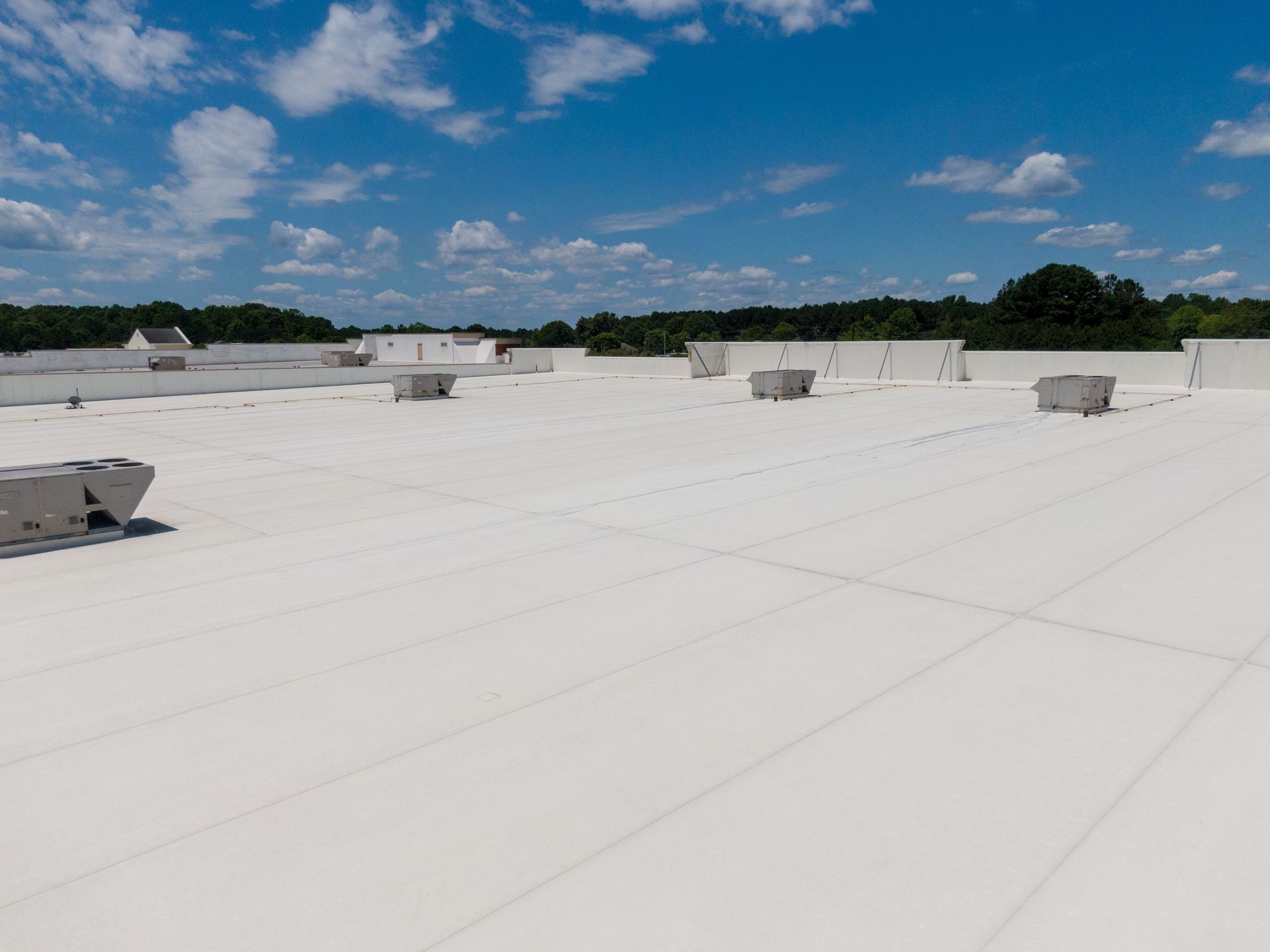
Older roofs or those installed with fewer nails than modern codes require are especially vulnerable. Once a few shingles blow off, the wind gets underneath more of the roof deck and works like a lever, peeling larger sections away. The edges of the roof, especially the eaves and rake, feel this force first. A roof with worn sealant or cracked flashing around the edges is more likely to fail at these points.
Wind does not always create dramatic damage. Sometimes it just loosens fasteners or bends flashing enough that the next heavy rain finds its way in. That is why a professional inspection after a severe windstorm should check for raised shingles, curled edges, and gaps along ridge caps. If the damage is caught early, repairs can often prevent a small leak from turning into a soaked attic and mold growth.
When the damage is more widespread, property owners often need to think about wind damage roof repair. This type of work focuses on reattaching or replacing the roofing material that the wind has compromised, and it usually includes reinforcing the edges and sealing any exposed decking before more weather moves in.
Fallen branches: a blunt-force threat
A tree limb that snaps off in a storm can weigh dozens or even hundreds of pounds. When it hits a roof, the damage is immediate and visible. A heavy branch can punch a hole through the shingles and the plywood deck beneath, letting rain pour directly into the attic or living space. Lighter branches may not break through, but they can scrape off granules, crack tiles, or dislodge flashing as they slide down the slope.
Beyond the visible hole, a fallen branch often causes structural damage. The force of the impact can crack rafters, push trusses out of alignment, or loosen the connections between the roof frame and the walls. These problems are not always obvious from a quick look. A roof that looks intact from the ground may have a sagging section or a broken support that only becomes clear during an interior inspection.
After a branch strike, the first step is usually a temporary tarp to stop water from entering until permanent repairs can be made. Leaving a hole open for even a day can lead to soaked insulation, stained ceilings, and wood rot that makes the repair more expensive. Once the tarp is in place, a thorough inspection should check the roof deck, the framing underneath, and the attic for any signs of shifting or cracking.

What these storms mean for your roof
Each type of storm damage calls for a different approach to repair. Hail damage often requires replacing individual shingles or patching small punctures, but it can also mean resurfacing a large section if the granules have worn away over a wide area. Wind damage tends to affect the edges and fasteners, so repairs may involve adding extra nails, replacing underlayment, or reinstalling ridge caps. Branch damage usually demands replacing both the roofing material and the deck, plus checking the structure underneath.
One thing all three have in common: the damage is not always obvious from the ground. A roof that looks fine from the curb may have hidden issues that get worse with every rainstorm. That is why a roof inspection after any severe weather is a good idea, even if you do not see anything wrong from the street. An inspector can spot loose shingles, lifted flashing, small punctures, and other problems before they lead to leaks inside the home.
The other common thread is timing. Storm damage does not heal on its own, and small problems grow fast when left exposed to sun and rain. A missing shingle lets water soak the deck. A lifted flashing edge lets wind get underneath and pull more material loose. A small crack from hail spreads with every freeze-thaw cycle. Getting repairs done promptly usually saves money in the long run by preventing secondary damage to the structure, insulation, and interior finishes.
Navigating insurance and repairs
After a storm, many homeowners file an insurance claim to cover the cost of repairs. The process goes more smoothly when you have clear documentation. Photographs of the damage, notes on the date and type of storm, and a written estimate from a qualified contractor help the adjuster understand the scope of work. It helps to know your policy's deductible and whether it covers replacement cost or actual cash value for the roof.
If the damage is widespread, wind damage roof repair may be covered under a separate windstorm or named-storm endorsement. Policies vary, so reading the fine print or asking your agent before a storm hits can prevent surprises. Even when insurance covers the repair, there is often a wait while the claim processes. A temporary tarp can protect the roof in the meantime, but it is not a permanent fix. Tarps degrade in sunlight and can leak if not installed properly, so they should only be used until permanent repairs begin.
Prevention between storms
You cannot stop hail or wind, but you can reduce the risk from falling branches. Trimming dead limbs and removing trees that lean toward the house makes a big difference. A tree that looks healthy can still lose a limb in a high wind if the branch has a crack or decay inside. Having a certified arborist inspect large trees near the house every year or two is a reasonable precaution.
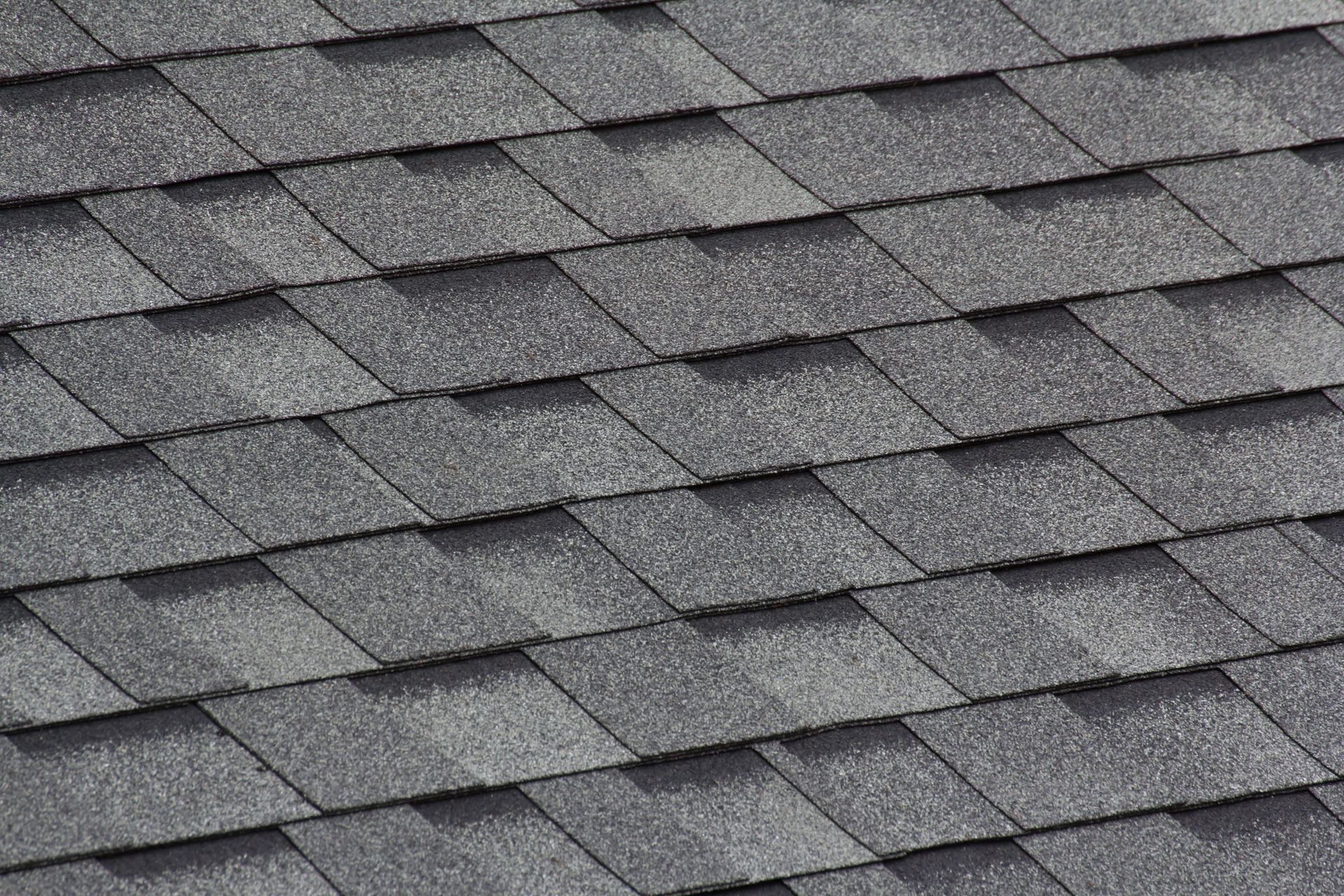
Regular roof maintenance also helps. Keeping gutters clean, replacing worn flashing, and fixing loose shingles before a storm hits means fewer weak points for wind and water to exploit. A roof in good shape can survive a moderate storm with little or no damage, while a neglected roof may fail in the same conditions.
Ready Roofing, LLC provides residential and commercial roof repairs, replacements, inspections, and storm damage restoration across Northern Florida and can be reached at +1 904-404-9849 or visited at 5105 Philips Hwy Ste 205, Jacksonville, FL 32207, USA.